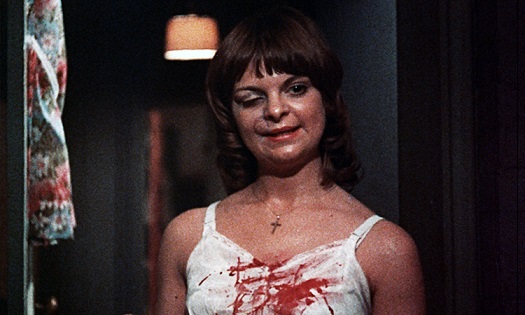
Es ist schon die Axt den Bäumen an die Wurzel gelegt. Darum, welcher Baum nicht gute Frucht bringt, wird abgehauen und ins Feuer geworfen.(Matthaeus 3:10)
Weiterlesen “Fragmentfischen im Naturtrüben: Dear Dead Delilah (1972)” »
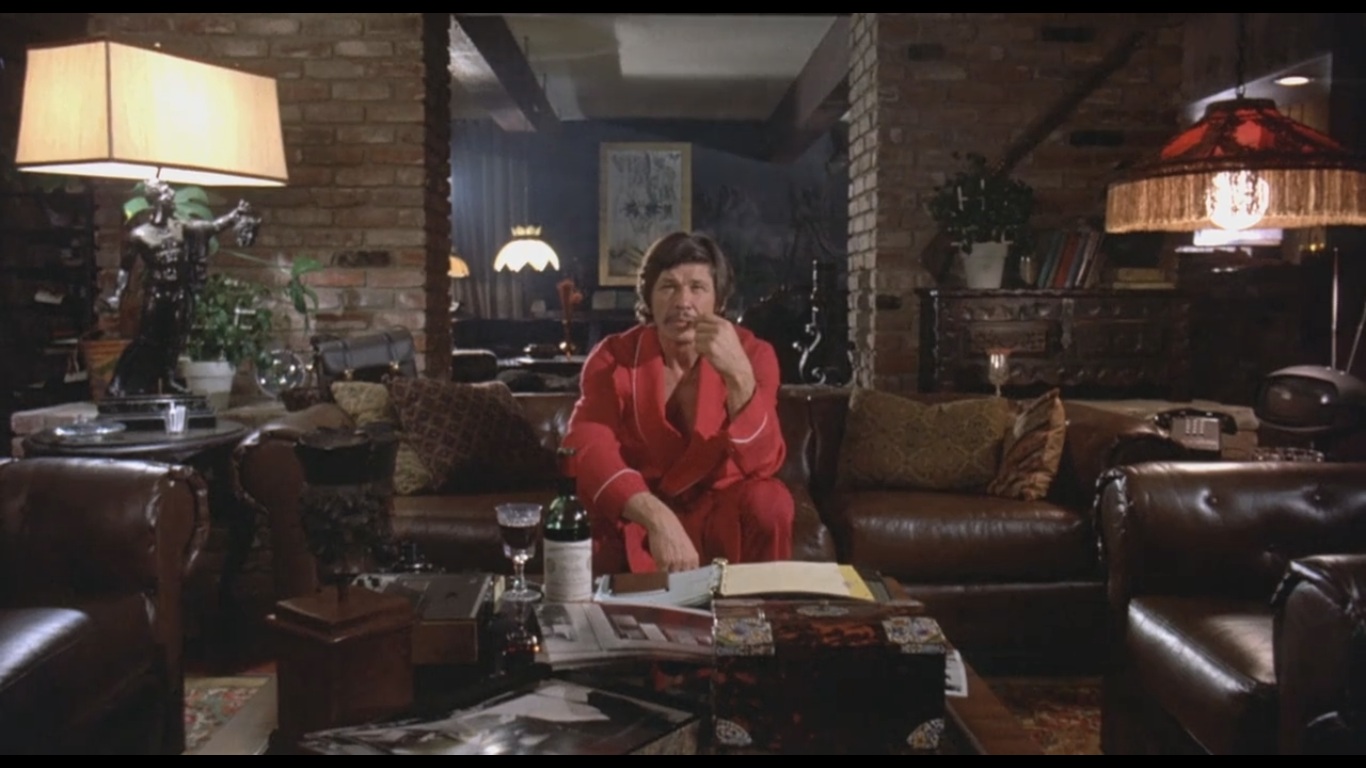
„Wenn du dich konzentrierst und in Trance gerätst; wenn du in Meditation sitzt und deine Aufmerksamkeit auf ein Objekt richtest; wenn du deinen Geist in Gewahrsein und Betrachtung ruhen läßt und den Weg wie eine mechanische Puppe praktizierst – wann wirst du da je dein Ziel erreichen?“
(Baozhi, Die Natur der Dinge[1])
Weiterlesen “Die große Nutzlosigkeit und die Natur der Dinge – The Mechanic (1972)” »
Weiterlesen “‚The pain of being a woman is too severe!‘ – The films of Roberta Findlay: Fantasex (1976)” »
Juli 16, 2019 | Veröffentlicht in
Ältere Texte,
André Malberg,
Blog,
Blogautoren,
English,
Essays,
Filmbesprechungen,
Filmschaffende,
Midnight Confessions,
other languages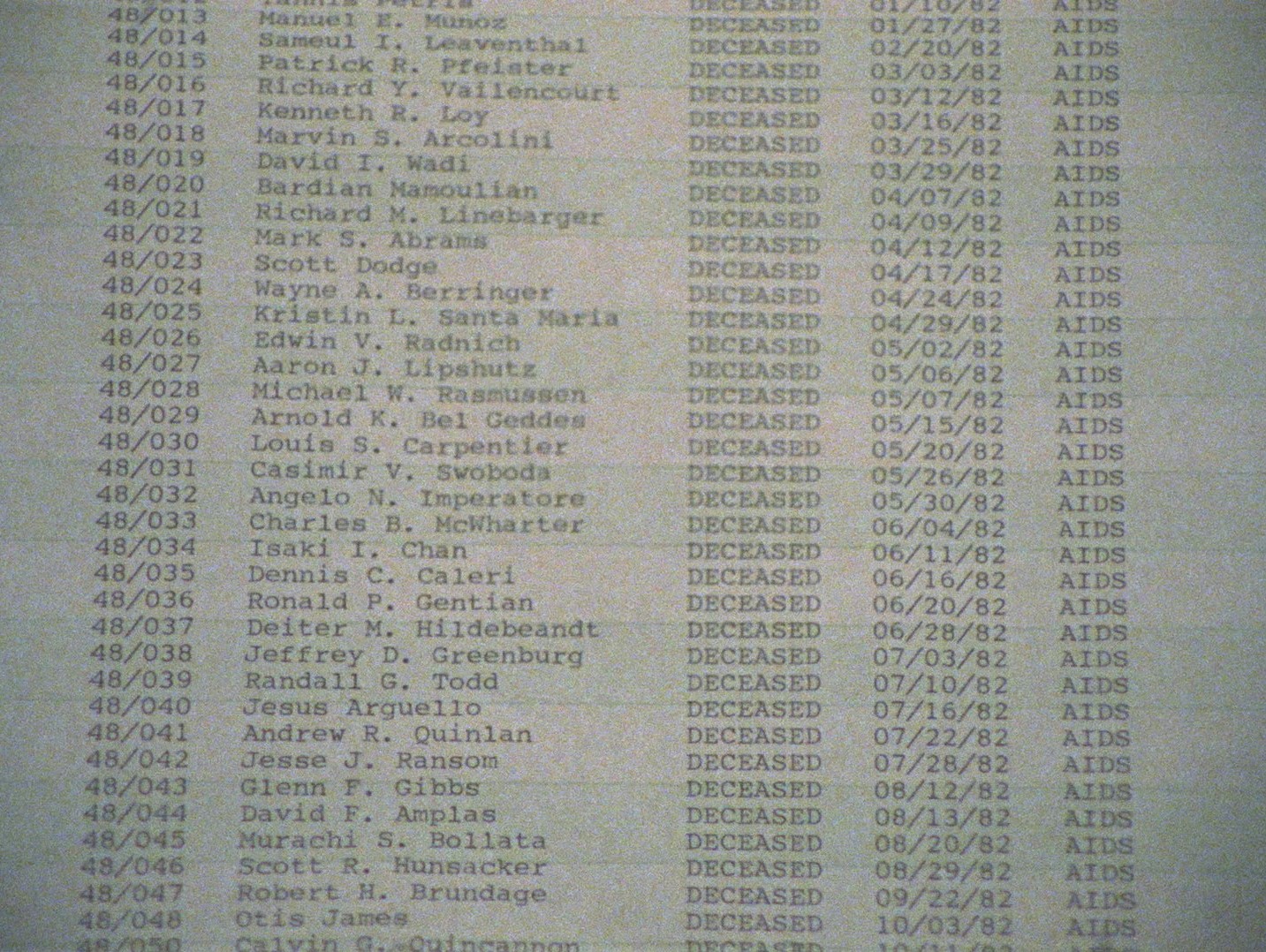
„Buddies“ – the cinematic swan song of noted gay pornographer Arthur J. Bressan Jr. – is a highly unusual film, less as a result of the obvious expectations evoked by a small scale and utterly devoid of explicit sex chamber piece between just two characters of importance, more because of its striking insistence to structure a visual narrative entirely around its main character’s chosen profession. David Bennett (David Schachter) is a timid young typesetter through a voluntary programme assigned as buddy to formerly outspoken gay rights activist Robert Willow (Geoff Edholm), a man inescapably and quite miserably dying from AIDS in the dull confines of his hospital bed. Both men slowly grow accustomed to each other, share sometimes heated, sometimes aperitive discourses on coming out, the pitfalls of publishing ardently anti-gay voices‘ epistles first, then a good laugh watching old holiday videos and lastly the scant intimate moments their surroundings and Robert’s illness permit. Hardly a minute of film is lacking either man’s presence and yet almost everything we see stems directly from the eyes of David, or rather his hands – for they create what we absorb. Stories of last breaths sighed in the shadows, of individuals turned into mere numbers by the frightening grip of a cold, non-selective pandemic defying any try at emotional apprehension. Weiterlesen “The typography of bidding farewell: Buddies (1985)” »
Two highly distinct approaches become discernible when taking a closer look at Roberta Findlay’s post-porn career in mainstream filmmaking. The, be they gritty or be they tender in nature, highly personal stories told in the quite straight „Tenement“ (1985) and „Lurkers“ (1988) as well as the madcap insanity prevelant in in the more tongue in cheek than anything else „Blood Sisters“ (1987) and this one, her very first film post transitioning. More in line with the snarky, self-deprecating public persona the introverted directress created for herself than her remaining filmography, they revel in a unique, utterly off-beat understanding of humor while falling somewhat flat in their more traditional conceptions as horror films. In contrast to some of her greatest achievements in Golden Age pornography, they are always two steps away from outright comedy, playing the game straight and yet sabotaging the expecations of a horror crowd with small, intentional but never narrative based acts of directorial transgression. Big guy John Fasano fleeing the scene in the most hilarious fashion imaginable and the way Elizabeth Rose’s glasses seem to prefer viewing directions of their own volition otherwhile – weird flourishes like these place „Blood Sisters“ in its own goofy corner equal steps adjacent to completely serious and satirical peers. Even more than Findlay’s sorority girl slasher „The Oracle“ utilizes these interfering agents to bridge what would otherwise be considered barren gaps in a drawn out horror narrative – with sound being, as per her unmistakable habit, one of the prime instruments. Weiterlesen “‚The pain of being a woman is too severe!‘ – The films of Roberta Findlay: The Oracle (1985)” »